


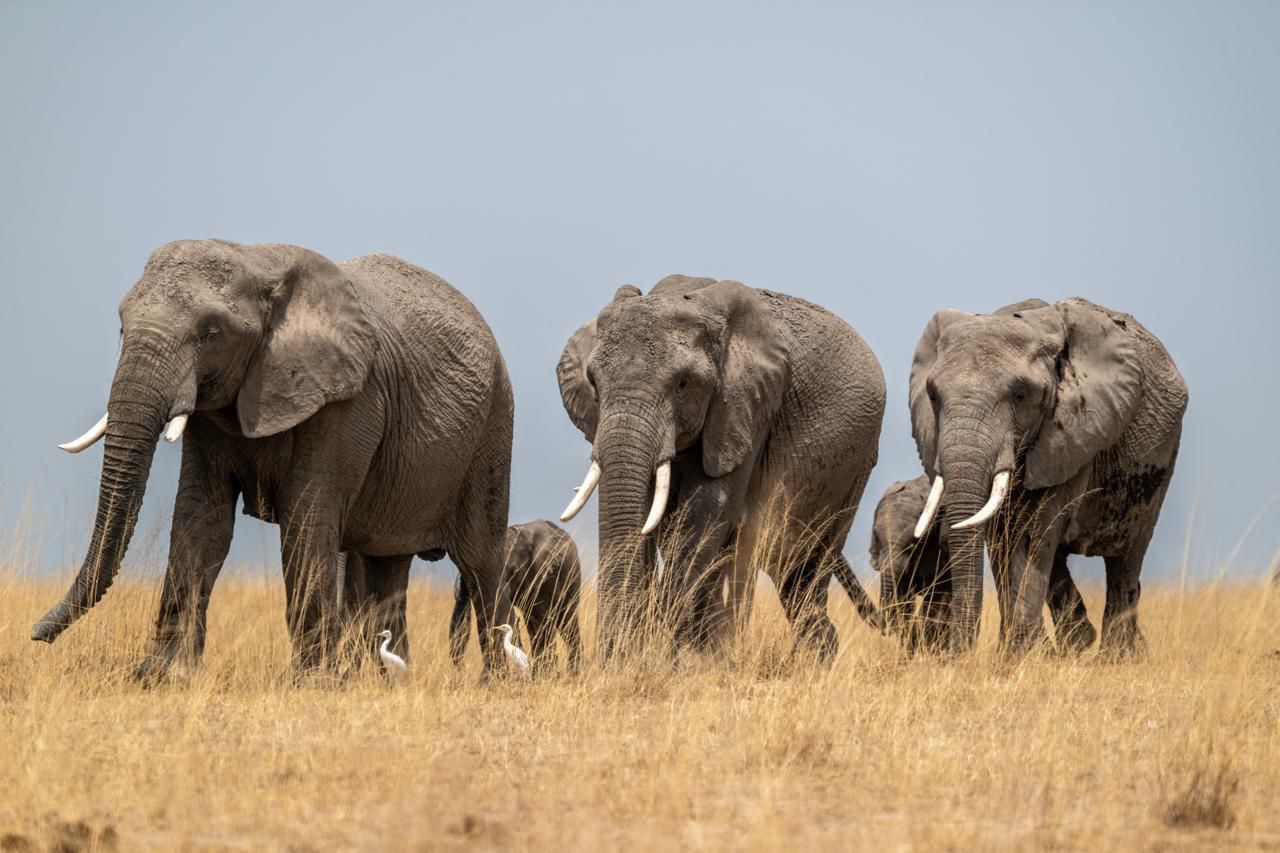
Discover Tanzania’s many national parks and their incredible wildlife, from the Serengeti to Ngorongoro and beyond.
Tanzania is one of Africa’s most celebrated travel destinations, attracting millions of visitors every year. Known for its stunning landscapes, abundant wildlife, and cultural heritage, Tanzania is home to over 22 national parks and reserves, each offering unique safari experiences. From the sprawling plains of the Serengeti to the lush forests of Gombe, each park tells its own story of nature, wildlife, and adventure.
This guide explores Tanzania’s national parks, detailing their size, location, accessibility, landscapes, and wildlife, so travelers can choose the perfect safari adventure.
1. Selous Game Reserve (Nyerere National Park) – Africa’s Largest Wildlife Sanctuary
-
Size: ~50,000 km²
-
Location & Accessibility: South-central Tanzania; accessible via Dar es Salaam, Rufiji River airstrips, or charter flights.
-
Highlights: Selous is Africa’s largest protected wilderness area, ideal for river safaris, walking safaris, and classic game drives.
-
Wildlife: Home to elephants, lions, leopards, African wild dogs, hippos, crocodiles, giraffes, zebras, buffalo, and over 400 bird species.
-
Unique Features: Its vastness ensures a sense of true wilderness, and the Rufiji River adds a special dimension for boat-based wildlife viewing.
2. Ruaha National Park – Untamed Southern Wilderness
-
Size: ~20,226 km²
-
Location & Accessibility: Central-southern Tanzania; accessible via Iringa or Msembe airstrips.
-
Highlights: Ruaha combines rugged landscapes, rocky escarpments, and the meandering Great Ruaha River, making it ideal for adventurous safari-goers.
-
Wildlife: Known for large elephant herds, lions, leopards, cheetahs, hyenas, giraffes, zebras, impalas, hartebeests, waterbucks, and numerous bird species.
-
Unique Features: Less visited, giving travelers a private, immersive safari experience.
3. Serengeti National Park – The Icon of African Safaris
-
Size: ~14,750 km²
-
Location & Accessibility: Northern Tanzania; accessible via Arusha or Kilimanjaro airports, followed by road transfers.
-
Highlights: Famous for the Great Wildebeest Migration, the Serengeti offers endless plains teeming with wildlife year-round.
-
Wildlife: Lions, cheetahs, leopards, elephants, buffalos, giraffes, zebras, wildebeest, hyenas, jackals, hippos, crocodiles, warthogs, baboons, vervet monkeys, and hundreds of bird species.
-
Unique Features: Seasonal migration of over 1.5 million wildebeest along with zebras and gazelles creates one of the most extraordinary wildlife spectacles in the world.
4. Ngorongoro Conservation Area – Nature’s Volcanic Crater Safari
-
Size: ~8,292 km²
-
Location & Accessibility: Northern Tanzania, near Arusha; accessible by road or safari tours.
-
Highlights: The Ngorongoro Crater is the largest intact volcanic caldera in the world, hosting a dense concentration of wildlife.
-
Wildlife: Black rhinos, lions, elephants, zebras, wildebeest, hippos, hyenas, cheetahs, jackals, warthogs, flamingos, storks, and other bird species.
-
Unique Features: The crater provides a 360-degree safari experience, with diverse habitats from grasslands to waterholes, all in a single area.
5. Tarangire National Park – Baobabs and Elephants
-
Size: ~2,850 km²
-
Location & Accessibility: Northern Tanzania; ~2–3 hours from Arusha.
-
Highlights: Famous for giant baobab trees and massive elephant herds, especially during the dry season.
-
Wildlife: Elephants, lions, leopards, giraffes, zebras, impalas, kudu, waterbucks, warthogs, baboons, monkeys, and over 500 bird species including the lilac-breasted roller.
-
Unique Features: Tarangire’s dry-season landscapes make wildlife easier to spot, creating fantastic photographic opportunities.
6. Lake Manyara National Park – Flamingos and Tree-Climbing Lions
-
Size: ~330 km²
-
Location & Accessibility: Northern Tanzania; ~2 hours from Arusha.
-
Highlights: Small yet diverse, the park combines a soda lake, acacia woodlands, and riverine forests.
-
Wildlife: Tree-climbing lions, elephants, giraffes, hippos, zebras, wildebeest, buffalos, waterbucks, monkeys, baboons, flamingos, pelicans, storks, and other bird species.
-
Unique Features: The tree-climbing lions and pink flamingo flocks make this park truly unique.
7. Mikumi National Park – The Gateway to Southern Tanzania
-
Size: ~3,230 km²
-
Location & Accessibility: Eastern Tanzania; ~4–5 hours from Dar es Salaam.
-
Highlights: Mikumi offers a Serengeti-like experience, with easily accessible plains and excellent wildlife viewing.
-
Wildlife: Lions, leopards, cheetahs, elephants, giraffes, zebras, wildebeest, impalas, baboons, hyenas, jackals, hippos, crocodiles, and diverse birdlife.
-
Unique Features: Perfect for travelers seeking quick yet memorable safari experiences near Dar es Salaam.
8. Gombe Stream National Park – Home of the Chimpanzees
-
Size: ~52 km²
-
Location & Accessibility: Western Tanzania, near Kigoma; accessible by boat or charter flights.
-
Highlights: Famous for Jane Goodall’s pioneering research, Gombe provides close encounters with wild chimpanzees.
-
Wildlife: Chimpanzees, baboons, monkeys, duikers, bushbucks, warthogs, and a variety of endemic birds.
-
Unique Features: Dense forests along Lake Tanganyika create an intimate wildlife experience.
9. Mahale Mountains National Park – Pristine Forests and Chimpanzees
-
Size: ~1,613 km²
-
Location & Accessibility: Western Tanzania along Lake Tanganyika; accessible via boat or charter flights.
-
Highlights: Remote and untouched, Mahale offers chimpanzee tracking, forest trekking, and lakefront relaxation.
-
Wildlife: Chimpanzees, lions, leopards, bushbucks, duikers, hippos, and numerous bird species.
-
Unique Features: A hidden paradise for wildlife enthusiasts and adventure travelers seeking solitude.
10. Arusha National Park – Mountains, Waterfalls, and Wildlife
-
Size: ~1,075 km²
-
Location & Accessibility: Northern Tanzania; ~2 hours from Arusha town.
-
Highlights: Combines volcanic landscapes, crater lakes, and waterfalls with wildlife encounters.
-
Wildlife: Buffalo, giraffes, elephants, colobus monkeys, blue monkeys, zebras, waterbucks, hippos, and flamingos.
-
Unique Features: Ideal for short safaris, hiking, and nature photography.
11. Other Notable Parks
-
Kitulo National Park: Known as the “Garden of God” for its rare flower blooms.
-
Udzungwa Mountains National Park: Hiking paradise with endemic species like the Sanje mangabey.
-
Rubondo Island National Park: Island sanctuary with chimpanzees, giraffes, hippos, and crocodiles.
-
Saadani National Park: Only coastal wildlife park, blending savannah and Indian Ocean views.
-
Kigosi, Rukwa, Burigi-Chato, and Mkomazi National Parks: Lesser-known parks offering unique, secluded wildlife experiences.
Why Tanzania Stands Out as a Safari Destination
-
Unmatched Wildlife Diversity: Big Five, wildebeest migration, rare primates, and hundreds of bird species.
-
Diverse Landscapes: From savannahs to forests, mountains, craters, lakes, and coastal reserves.
-
Accessible Yet Wild: Northern parks for short safaris; southern parks for wilderness adventures.
-
Cultural and Natural Heritage: Home to Maasai villages, archaeological sites, and UNESCO World Heritage Sites.
Experience Tanzania’s national parks with Safari56 Limited – whether it’s a multi-day safari or a short wildlife escape, Tanzania’s incredible wildlife and landscapes await you.


