


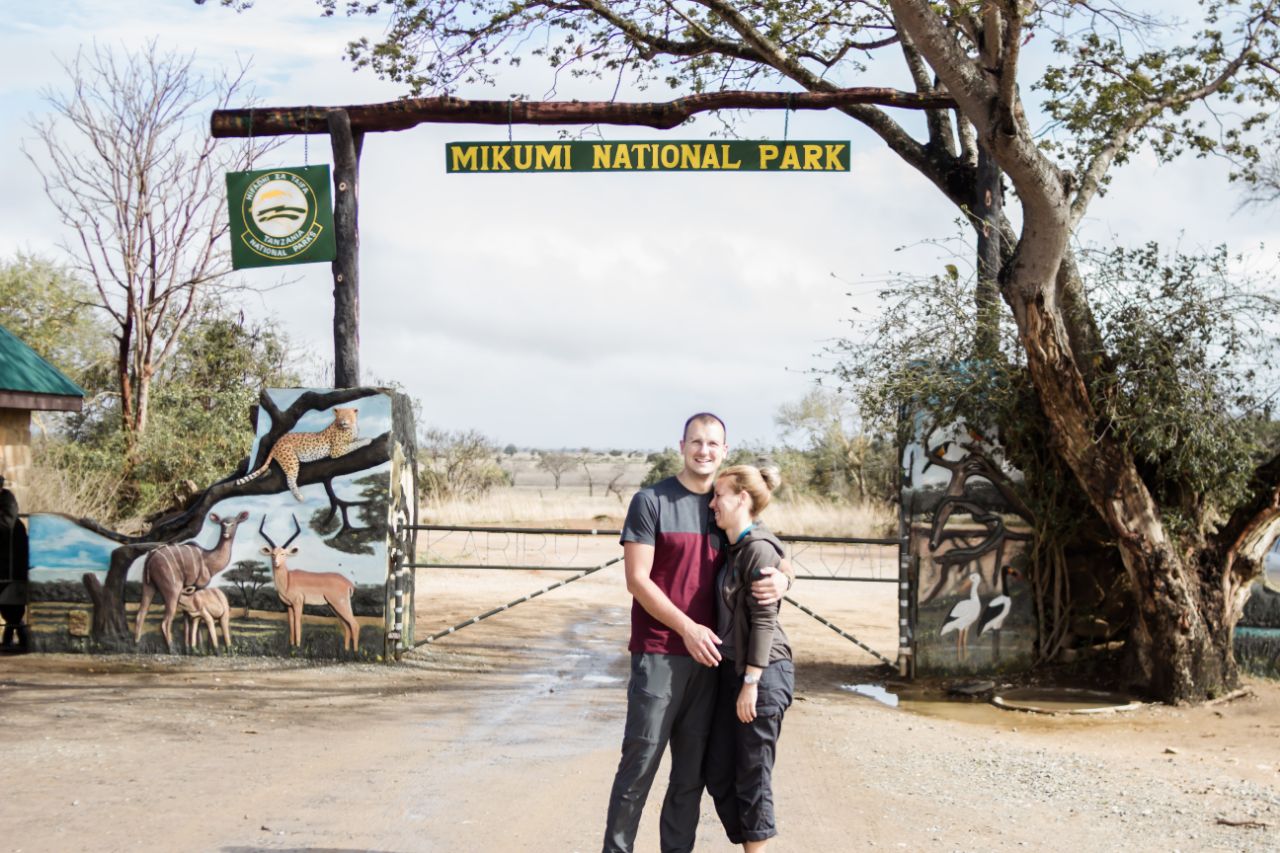
Planning a safari is an exciting experience. For many travelers, it’s a once-in-a-lifetime journey filled with dreams of vast landscapes, incredible wildlife, and unforgettable moments in nature. However, a safari is very different from a typical beach or city holiday, and small planning mistakes can affect the overall experience.
Understanding the most common safari planning mistakes—and knowing how to avoid them—can make the difference between a good trip and an extraordinary one.
1. Choosing the Wrong Time of Year
One of the biggest safari planning mistakes is assuming that wildlife can be seen equally well all year round. While animals live in national parks year-round, seasons strongly influence wildlife movement, vegetation, and road conditions.
How to avoid it:
Research the best season for the specific experience you want. Dry seasons are ideal for game viewing, while green seasons offer lush scenery, fewer crowds, and excellent photography. If you’re interested in specific events like migrations or calving seasons, timing is essential.
2. Trying to See Too Much in Too Little Time
Many travelers try to include too many parks and activities in a short safari. This often results in long driving hours, rushed game drives, and limited time to enjoy each destination.
How to avoid it:
Focus on quality rather than quantity. Fewer parks with more time in each allow for better wildlife sightings, relaxed schedules, and deeper immersion in nature.
3. Underestimating Travel Distances
Safari destinations often look close on a map, but road conditions, park entry procedures, and terrain can make journeys longer than expected.
How to avoid it:
Plan realistic travel times and include rest periods. Using domestic flights or well-planned road transfers can save time and improve comfort, especially on longer safaris.
4. Not Understanding Safari Styles
Not all safaris are the same. Some travelers expect luxury lodges but book budget camps, while others want adventure but choose overly structured itineraries.
How to avoid it:
Understand different safari styles—private safaris, group safaris, luxury lodges, tented camps, walking safaris, and boat safaris. Choose one that matches your comfort level, interests, and travel style.
5. Packing Incorrectly
Packing the wrong clothes or forgetting essentials is a common mistake. Bright colors, heavy luggage, or unsuitable footwear can reduce comfort during game drives and walks.
How to avoid it:
Pack light, neutral-colored clothing, comfortable walking shoes, sun protection, and essential travel documents. Most safari lodges offer laundry services, so overpacking is unnecessary.
6. Ignoring Health and Travel Requirements
Some travelers overlook vaccinations, visa requirements, or travel insurance, assuming everything can be handled on arrival.
How to avoid it:
Check health recommendations, visa rules, and insurance requirements well in advance. Travel insurance covering medical emergencies and evacuation is especially important for safari travel.
7. Having Unrealistic Wildlife Expectations
Wildlife sightings are never guaranteed. Animals roam freely, and nature follows its own rhythm.
How to avoid it:
Approach safari travel with patience and curiosity. Every game drive is unique, and sometimes the most memorable moments come from unexpected encounters or learning from experienced guides.
8. Booking Without Expert Advice
Planning a safari without local knowledge can lead to poor park choices, unsuitable accommodations, or missed experiences.
How to avoid it:
Work with experienced safari planners or tour operators who understand seasonal patterns, wildlife behavior, and logistics. Their knowledge helps turn a good safari into a truly memorable one.
Final Thoughts
A safari is more than just a holiday—it’s a journey into nature, culture, and conservation. Avoiding common planning mistakes allows travelers to enjoy richer wildlife encounters, smoother travel, and a deeper connection with the destination.
With proper planning, realistic expectations, and expert guidance, a safari becomes one of the most rewarding travel experiences in the world—one that stays with you long after the journey ends.


